01
We protect your home
Boot covers, clean runners, and drop cloths go down before any register comes off.
Residential Service
Truck-mounted power. 70+ years of experience. Doing it right, every single time.
Straight Answers First
Air duct cleaning is worth it when there's something in the system to remove — pets, smokers, allergy sufferers, a recent remodel or new build, or visible buildup when you pull a register. Done properly, the whole system is put under suction and the debris leaves the house. If the ducts are already clean, we'll tell you so.
Yes, when the whole system is cleaned with the right equipment. The ductwork is sealed and put under negative pressure, dust and debris are agitated loose along the supply and return lines, and everything is pulled out to the truck. Vacuuming a few register openings with a portable shop vac is not the same job.
If your registers look clean inside, nobody in the house has allergy or asthma trouble, there are no pets or smokers, there's been no construction, and you're not seeing dust puff out when the system kicks on — you probably don't need it right now. We'd rather say that than sell you a cleaning you don't need.
Clear a path to the furnace and to every supply and return vent, move breakables off the floor near registers, put pets somewhere separate, and have someone 18 or older at home. We bring the drop cloths, runners, and boot covers.
Bennett's primary vacuum is truck-mounted and self-contained — it runs off the truck rather than your household electrical system, and the debris it pulls ends up in the truck instead of a collection bin carried back through the house. Portable units collect indoors. We won't quote you suction figures we can't document, but where the equipment sits and where the debris ends up are fair questions to ask any company you're considering.
The Question We Get Most
What You Get
Our crews arrive on time with industrial, truck-mounted equipment that dislodges and removes dust, allergens, pet dander, and construction debris from every inch of your ductwork — then sanitize the entire system.
Duct cleaning pairs naturally with furnace cleaning and dryer vent cleaning — most customers book them together while the truck is already in the driveway.
01
Boot covers, clean runners, and drop cloths go down before any register comes off.
02
The vacuum stays on the truck, so dust leaves the house instead of recirculating in it.
03
Supply vents, returns, trunk lines, and the furnace connection — agitated loose and pulled out under suction.
04
A sanitizing treatment, then a walkthrough so you see the before and after yourself.
Want pricing first? Read the Central Illinois air duct cleaning cost guide or the shorter cost overview.
Air Duct Cleaning FAQs
Every supply and return vent, the main trunk lines, the return drop, and the furnace connection. We finish with a sanitizing treatment and walk you through before-and-after so you can see what came out.
Most Central Illinois homes take two to four hours depending on the number of vents, the size of the system, and how long it has been since the last cleaning.
Every three to five years for most homes. Sooner with pets, allergy sufferers, recent remodeling, or a home you just bought and don't know the history of.
Yes. Our truck-mounted vacuums move far more air than a portable unit — and the debris leaves the house instead of being collected in a bin inside it.
It depends on home size, vent count, and system layout. Estimates are free and the quoted price is the price you pay. See our cost guide for typical Central Illinois ranges, or call (309) 472-5036.
It is worth it when there is something in the ducts to remove — pets, smokers, allergy sufferers in the house, a recent remodel or new build, a home you just bought, or visible buildup when you pull a register. If the ducts are already clean, cleaning them again won't do much, and we'll tell you that rather than sell you a job.
Yes, when it's done on the whole system with the right equipment. A proper cleaning puts the ductwork under suction, agitates the dust and debris loose along the supply and return lines, and pulls it out to the truck. What doesn't work is vacuuming a few register openings with a portable shop vac and calling the system clean.
If your registers look clean inside, no one in the house has allergy or asthma issues, there are no pets or smokers, there has been no construction or remodeling, and you aren't seeing dust blow out when the system starts, you likely don't need it right now. Anyone telling you ducts must be cleaned every year is selling, not advising.
Clear a path to the furnace and to each supply and return vent, move breakable items off the floor near registers, secure pets in a separate room, and plan for someone 18 or older to be home. That's it — we bring the drop cloths, runners, and boot covers.
Bennett's primary vacuum is truck-mounted and self-contained, so it runs off the truck rather than the home's electrical system, and the debris ends up in the truck instead of a bin carried through your house. Portable units are collected inside the home. We're not going to give you a suction number we can't document — but the equipment, and where the debris ends up, is a fair question to ask any company you're considering.
For a standard one-inch filter, every one to three months — closer to monthly with pets, shedding, or heavy use. Thicker four- or five-inch media filters usually run six to twelve months. Check it monthly at first and see how dirty it looks; the filter's condition tells you more than the calendar does.
More questions answered on our FAQ page.
Proof, not promises
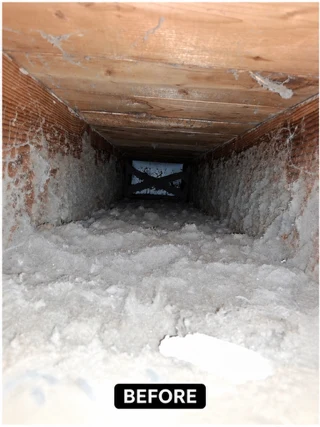
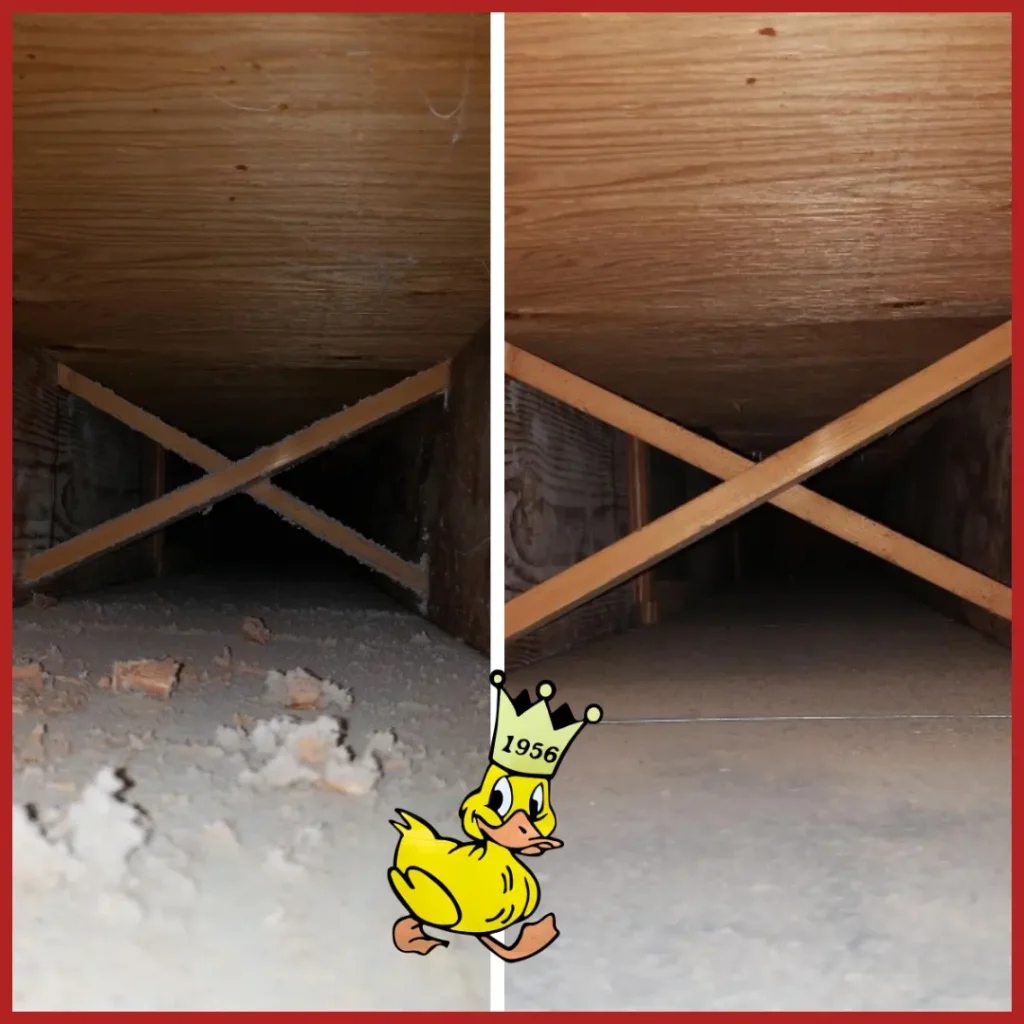
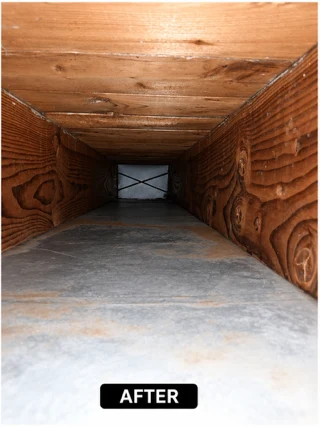
Same ducts, same day — before and after our truck-mounted system ran through them. Drag the slider to see the difference.
 BeforeAfter
Main Trunk Line Deep Clean — Central Illinois
70+ years cleaning Central Illinois ductwork — three generations, same name on the truck.
Far more suction than the portable vacuums most competitors roll through the door.
More than 30 companies subcontract us for furnace, duct and/or dryer vent cleaning work, including ServPro, Blue Sky and Lanz.
Dave has 35+ years in these homes — you get the expert, not a rotating subcontractor.
Read more about our history, equipment, and insurance on the About Bennett page.
Ask Dave for a straight answer in seconds, or book a free written estimate.