The lint trap
The screen inside the dryer door. You clear it after every load. It catches a lot of lint — but not all of it, and it does nothing for the duct behind the machine.
Residential Service
Lint buildup is a common cause of home dryer fires. Professional cleaning helps reduce that risk.
The Short Answer
Professional dryer vent cleaning removes lint packed inside the duct that runs from the back of your dryer to the outside of the house. Bennett uses vacuum and brush systems along the full run. Most residential jobs are typically $89–$125 and take about 45–60 minutes.
Depends on the length and configuration of the vent run.
Longer or more complex runs take more time.
Brush breaks lint loose while the vacuum pulls it out.
Not every job falls inside that range — long runs, rooftop terminations, and multi-unit buildings are quoted individually. Estimates are always free.
Why It Matters
We clean dryer vents using professional vacuum and brush equipment, removing lint and debris from the full length of the run so the dryer can push moist air out the way it was designed to.
Most customers pair it with air duct cleaning and furnace cleaning in a single visit.
Lint buildup is a leading cause of home dryer fires.
Fire safety data points at failure to clean the dryer vent as the most common factor. Regular professional cleaning helps reduce that risk and keeps the dryer working the way it should.
Two Things People Mix Up
The screen inside the dryer door. You clear it after every load. It catches a lot of lint — but not all of it, and it does nothing for the duct behind the machine.
The duct carrying hot, moist air from the dryer to the outside — often 10 to 30 feet with elbows. Lint that slips past the screen collects here, and only cleaning the run clears it.
When lint narrows the vent run, the dryer can't push moist air out. Clothes stay damp, the machine runs hotter and longer, and energy use climbs. A quick test: with the dryer running, step outside and put a hand near the vent hood. Weak airflow, or a flap that barely opens, usually points at the vent run rather than the appliance.
Dryer Vent FAQs
Once a year for most households. Clean it sooner if you do heavy laundry, have a long or complicated vent run, or dry a lot of pet bedding and towels. Lint builds up faster than people expect.
Clothes that need more than one cycle to dry, a hot dryer or humid laundry room, a burning smell during a cycle, or visible lint around the outside vent hood. Any one of those is worth a call — clogged dryer vents are a leading cause of house fires.
Yes. Most customers have us do the furnace, the ductwork, and the dryer vent in one visit. It's the same truck-mounted equipment and it saves you a second trip charge.
Most residential dryer vent cleaning jobs are typically $89–$125, depending on the length and configuration of the vent run. A short, straight run through an exterior wall sits at the low end; long runs, several elbows, rooftop terminations, and multi-story vents take longer and cost more. Estimates are free and the quoted price is the price you pay.
About 45 to 60 minutes for a typical residential dryer vent. Longer or more complicated vent runs take more time, and pairing the job with duct or furnace cleaning on the same visit adds hours to the overall appointment rather than to the vent itself.
Bennett uses vacuum and brush systems. The brush is worked through the length of the vent run to break lint loose from the walls of the duct while the vacuum pulls the debris out, so lint leaves the run instead of being pushed farther down it. We check the outside vent hood and airflow before we leave.
No. The lint trap is the screen inside the dryer door that you clear after every load. The dryer vent is the duct that carries hot, moist air from the back of the dryer to the outside of the house — it can run 10 to 30 feet or more with elbows along the way. A clean lint trap does not keep that run clear; lint gets past the screen on every cycle and collects in the duct.
The most common reason is a restricted vent run. When lint narrows the duct, the dryer can't push moist air out, so clothes stay damp, the machine runs hotter and longer, and your electric or gas use climbs. It's worth checking the outside vent hood while the dryer runs — weak or no airflow there points at the vent, not the dryer.
Yes. We clean dryer vents in single-family homes, rentals, apartments, and multi-unit buildings. Vertical runs and rooftop terminations take longer and are priced accordingly — call (309) 472-5036 with the building details and we'll give you a free estimate.
Don't see your town? See the full areas we serve.
Proof, not promises
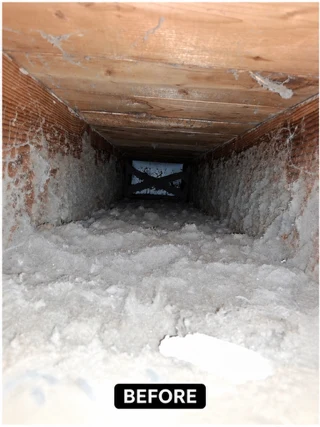
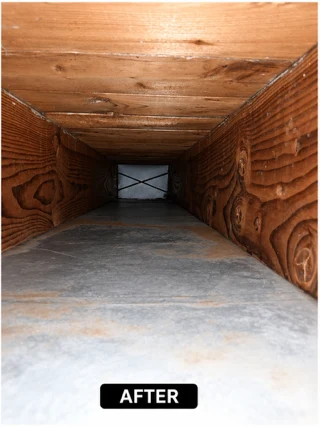
Same ducts, same day — before and after our truck-mounted system ran through them. Drag the slider to see the difference.
 BeforeAfter
Main Trunk Line Deep Clean — Central Illinois
70+ years cleaning Central Illinois ductwork — three generations, same name on the truck.
Far more suction than the portable vacuums most competitors roll through the door.
More than 30 companies subcontract us for furnace, duct and/or dryer vent cleaning work, including ServPro, Blue Sky and Lanz.
Dave has 35+ years in these homes — you get the expert, not a rotating subcontractor.
Read more about our history, equipment, and insurance on the About Bennett page.
Ask Dave for a straight answer in seconds, or book a free written estimate.